Thứ Tư, 12 tháng 8, 2015

The Old Houses of Duong Lam


Where people are hospitable, there’s no need to confine your urban exploits to abandoned houses. David Mann (words), Julie Vola(photos) and Mai Thu Trang (translation) found such people in Duong Lam, householders of some of the oldest houses in Vietnam

Thứ Ba, 11 tháng 8, 2015

The long house in Ko Sia

The long house in Ko Sia Visiting Buon Me Thuot City, people will enjoy a new form of tourism
of the Ede ethnic group in Ko Sia Hamlet (in Tan Lap Ward) - visiting Nha dai (long house) and enjoying the unique culture which has been preserved for thousands of years by the local people.
In the past, Ko Sia was a small hamlet with long houses of the Ede ethnic people.
 The Neu pole that can exorcise and bring good lucks to visitors to Nha dai.
Photo: Tat Son/VNP

Village in a rocky place


What appears to be a laundry cum washroom around a well at Lộc Yên
In Loc Yen Village, Tien Canh Commune, Tien Phuoc District, in the central province of Quang Nam, 100-plus-year-old houses rest against rocky mountains among terrace gardens and shady, stone paths.
The villagers are all farmers. Their mountain houses, paths, gardens, farms, hills and mountains are all in harmony.
The path cutting through the village is relatively even but other paths are full of bends and they go up and down like part of an old fort.
Artist Nguyen Thuong Hy, formerly manager of Quang Nam Province’s Relics and Attractions Management Centre, said, ‘During an expedition in Loc Yen with us in late 2010. Professor Hoang Dao Kinh [a famous conservation architect in Vietnam, see ‘Restoration as a danger to heritage’, page 6] said the old village of Loc Yen was an artistically excellent configuration . . . the arrangements of generations of the villagers were in harmony with natural ones.’
Loc Yen is no older than neighbouring villages but what makes it stand out is that it still has nine old houses.
 The Loc Yen Village chief, Mr Dang Sanh, said that since the American war ended, in 1975, nobody had sold a house and in times of financial difficulty they had tried to keep their houses in good condition.
Mr Nguyen Dinh Huynh, 85, said the old houses in Loc Yen were mainly of jackfruit wood. Loc Yen Village was more than 200 years old and its oldest houses almost 150 years old. Jackfruit trees were grown in large numbers in gardens.
The house of Mr Nguyen Dinh Suu and his brother is perhaps the village’s oldest. It is near the foot of a mountain and famous for its giant columns with elaborate carvings. It is big, of strong wood and the carvings are beautiful, making it appealing to visitors. Mr Tran Anh Hao, owner of an old house in the village, said the Suus’ house was like a museum storing great skills of the carpenters.
Mr Suu said his father had had difficulty refusing to sell his house to Ngo Dinh Diem [a minister in Emperor Bao Dai’s government and later president of South Vietnam] in 1939 and the then chief of Quang Tin Province, Mr Than Ninh, had come to his father’s house in 1960 to ask to buy it for the province for a temple, offering a million dongs or a new-styled house in the country or in the town. His father had said the house had been handed down in the family and so selling would be against moral principles.
Mr Nguyen Dinh Man’s house is L-shaped and 200 square metres, large enough for cows and buffaloes to enter to help thresh rice by trampling. This kind of house is almost extinct in central Vietnam.
To prevent fires, several old houses in Loc Yen have separate kitchens and earth ceilings under the thatched roofs. Over time, the villagers have stopped using earth ceilings, not replacing them when they replace thatch with tiles. Now only Mr Tran Cong Thiem’s house has an earth ceiling.
To make a ceiling, Mr Thiem’s grandfather used a layer of board and put a layer of clay on it. The walls were made of wattle and daub, 15 cm thick to increase fire-resistance.
There are also beautiful stone paths in Loc Yen. Mr Suu said the village was surrounded by rocky land and residents of the past had had to break rock and remove it in order to farm. The rock had been used for paths and retaining walls.
Plants of different kinds are grown along the paths and mosses and ferns grow on the stones in the shade of big trees.
Loc Yen villagers preserve almost all the rocky paths made when the village was formed. To avoid causing damage to the paths, Ms Tuyen and her younger brother built a garage away from their houses, and Mr Nguyen Dinh Hoan keeps his vehicle at a relative’s house.
                                                                                                                                     By Huynh Van My

The Last Tunnel

Since 2010 we have documented the rediscovery of the now-defunct train line from Dalat to Thap Cham. A few months ago, the final, missing section was explored. Francis Xavier and Kyle Phanroywere on hand to document. Words by Nick Ross 
  
Curtis King is not just a musician, he’s a train buff, an obsessive in the guise of Eddie Van Halen, who has used his adopted home of Dalat to further three passions — playing the blues, doing business and thinking about trains. Recently his biggest focus has been the now mainly defunct train line running between Dalat and Thap Cham in Central Vietnam.

Completed in 1932, the train line transported passengers and cargo from the heat of coastal twin cities Thap Cham-Phan Rang to the cool, high-altitude hill station of Dalat. Thanks to its cog railway technology, it was able to traverse the steep mountain passes on its ascent to Dalat, making it unique among Vietnam’s train routes. Built with a central, serrated rail between the tracks that connected to a cogwheel under the steam-powered locomotive, the rail provided traction to allow the train to ascend steep slopes and keep it from sliding too fast when it descended downhill.

Finally closed in 1968 after repeated wartime bombing, now only one section remains — the increasingly touristy route from Dalat to Trai Mat. Most of the rest has been salvaged for scrap, and the stations that have survived the excesses of time and climate are in ruins.
 
The Final Section

Over the past five years Curtis, always with a rock star bottle of wine in hand, has walked the full distance of the now-defunct line. Earlier this year he found the last tunnel, the one section that had yet to be ‘discovered’.

Like a modern-era Columbus sailing to the Promised Land, he phoned me up excited. First I was invited on the trek to the last tunnel — I am also a bit of a trainspotter. And for me, there’s nothing better than shooting the breeze as you trek through the alpine-covered mountain countryside east of Dalat. I’ve done it twice now, written about the journey, and will certainly do it again.

Yet the timing was bad. I had to decline.

Then he called me in the aftermath. He was having convulsions. For five minutes I sat on our office balcony listening to his story about the trek and, of course, the last tunnel.

At the end of the day it’s just a tunnel, a black hole with light on one end, darkness in the middle and light at the other. But when you’ve made it your mission to trace the full route of the former train line, completing it is a buzz.

Once again I was tied up, unable to leave Saigon, unable to retrace the final route. So instead over the Apr. 30 weekend we sent two photographers, Kyle Phanroy and Francis Xavier, on the trip. Their photos of the surviving tunnels, the Dalat countryside and the ruined station at Da Tho are a testament to the journey started and now completed by Curtis.
 
So When Do the Tours Start?

The answer is, they don’t. And if Curtis has his way, they never will.

“I prefer to visit the tunnels with small groups,” he explains, “preferably train enthusiasts. Realistically, abandoned train tunnels — fortunately — are not the stuff of mass tourism.”

And there’s also an ulterior motive. Curtis is presently working with the Vietnam Railway Company and investors to redevelop the train line. Together with his wife Thuy, he’s already rented out some of the train villas close to Dalat Station, and converted them into a café and guesthouse. But the big picture goal is to rebuild the line.

Says Curtis: “We have assembled an international team of train, tunnel and bridge experts to advise us on reconstructing the rail line. We recently completed an initial survey of the existing state of the tunnels. Our next step is to prepare a full feasibility study. This is going to take time.”

He’s not alone in trying to bring life back to Vietnam’s railway system. Another investor, New Zealand-born Mike Gebbie, is setting up a steam train journey over the Hai Van Pass from Hue to Danang.

But if you are a train buff and want to see the old line right now, there is an option. Head to V Café (vcafedalatvietnam.com) or to the Train Villas (dalattrainvilla.com) and ask for Thuy or Curtis. If you ask nicely, they might just take you down there themselves.

For more information on the reconstruction of the Dalat-Thap Cham railway line, do a search on Facebook for the ‘Dalat Thap Cham Cog Railway Restoration Project’

Thứ Hai, 10 tháng 8, 2015

Vietnam’s most attractive summer destinations


 - Summer is the ideal season for people to discover new destinations and escape from the heat. Below are the best destinations for this summer.
1. Sa Pa

Vietnam’s most attractive summer destinations


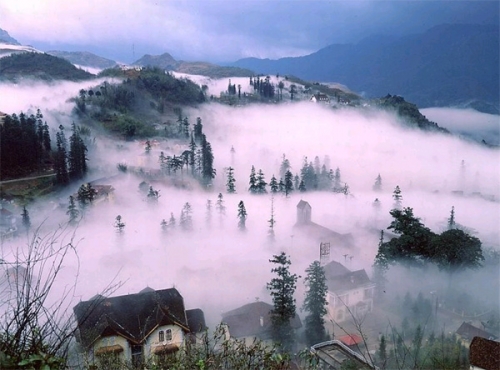
The cool climate year round in Sapa makes it an ideal place to escape the heat.
Sapa has many famous tourist sites, beautiful landscapes for tourists to visit and explore such as the old stone church from the French-ruled period, the villages of Cat Cat, Ta Phin, Muong Hoa valley, the ancient rock ground, the Love waterfall, the Heaven gate, Tien Cave and Coc San ...
2. Ha Long Bay


Vietnam’s most attractive summer destinations


There is no reason for you to ignore this world natural wonder. In addition to the familiar landscapes, famous beaches, this summer tourists can discover Ha Long in an entirely different way from a jet ski, seaplane, kayak, or by parasailing.
3. Buon Don National Park


Vietnam’s most attractive summer destinations


Over 50km from Buon Ma Thuot City, Buon Don national park is an ideal ecological zone in the Central Highlands, which can help dispel the hot summer.
Visitors stay in bungalows built like houses on stilts of the Ede people, on the bank of Lak Lake.
Riding elephants is one of the favorite activities of tourists. The elephants are gentle and they will takes visitors through the forest and the lake, to explore the colorful Don Village.
4. Da Lat - the city of love


Vietnam’s most attractive summer destinations


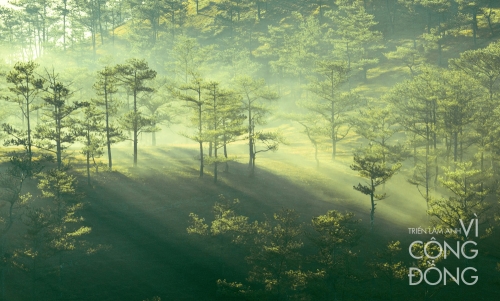
Fresh air in the highlands city of Da Lat is suitable for those who want a "cooling" place in the summer.
Da Lat has lush pine forests, cool breezes, babbling streams, lakes, flowers, mountains. In this resort city, you can visit famous tourist attractions such as Dambri Waterfall, Xuan Huong Lake, Valley of Love, Cam Ly rose garden, Mimosa hill, Tram Nam valley, the city garden, Truc Lam Monastery, Tuyen Lam Lake...
5. Hue


Vietnam’s most attractive summer destinations


This summer in Hue, tourists will experience new games and sports that have appeared for the first time in Vietnam, such as highwire and zipline.
6. Ham Thuan


Vietnam’s most attractive summer destinations


Ham Thuan Nam in the resort city of Phan Thiet has become an attraction in summer. It is the home to the oldest lighthouse in Vietnam (Mui Ke Ga), vast and beautiful sand dunes and forests with thousand-year-old trees.
Visitors can rent bikes or jeeps to roam the coastal roads or the sand dunes.
7. Nha Trang


Vietnam’s most attractive summer destinations


Nha Trang city is famous for its beautiful beaches, pristine islands, as well as entertainment activities. Apart from the attractive beach activities like windsurfing, parasailing, etc. some new tours have been offered this summer: walking under the sea and Flyboard.
8. Shooting fish in Da Nang


Vietnam’s most attractive summer destinations


Besides the well-known sites such as the Linh Ung Pagoda, Son Tra Peninsula, Ngu Hanh Son, Ba Na Hills resort with thrilling games in the Fantasy Park, tourists in Danang will have a new experience: diving to shoot fish in Son Tra Peninsula.
9. An Giang


Vietnam’s most attractive summer destinations


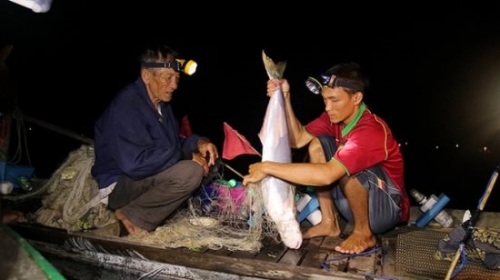
This summer An Giang has launched a new tour that promises to give tourists new experiences: fishing tour on the Vam Nao River.
Visitors will enjoy amazing food processed from bong lau catfish and melodies of traditional music don ca tai tu. They then will be taken to the area where fishermen catch fish.
10. Con Dao


Vietnam’s most attractive summer destinations


Con Dao is romantic and peaceful surrounded by the blue sea; it is a fascinating destination in summer. Con Dao is suitable for picnics and enjoying pristine nature. Tourists can plan a forest trip or explore the shimmering life in the ocean.
Besides unspoiled places, folk dishes on Con Dao are also attractive to tourists.
                                                                                                                             Word  & Photo: Pha Le

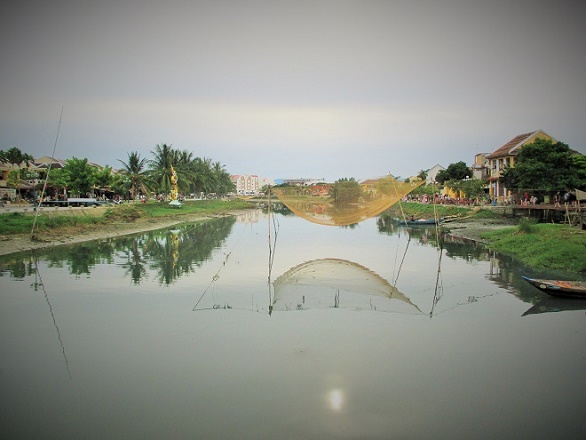
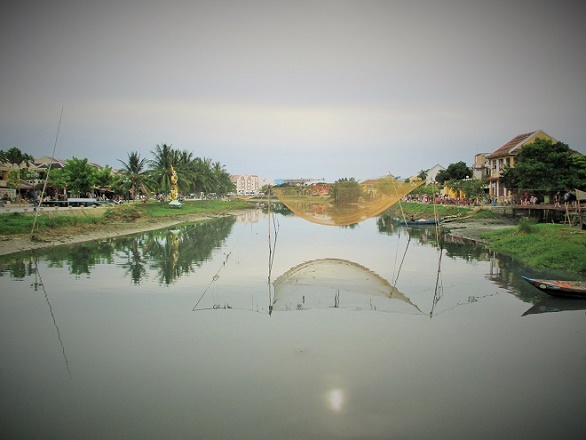
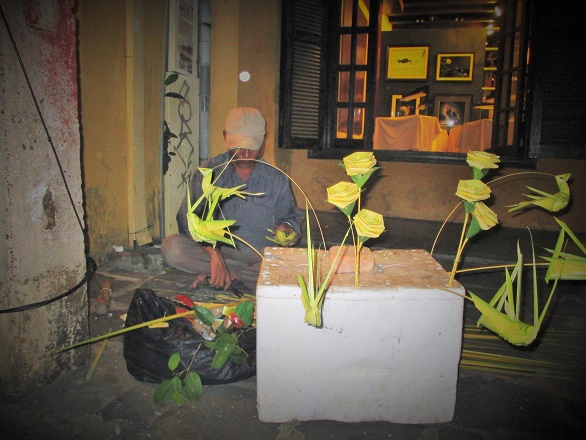
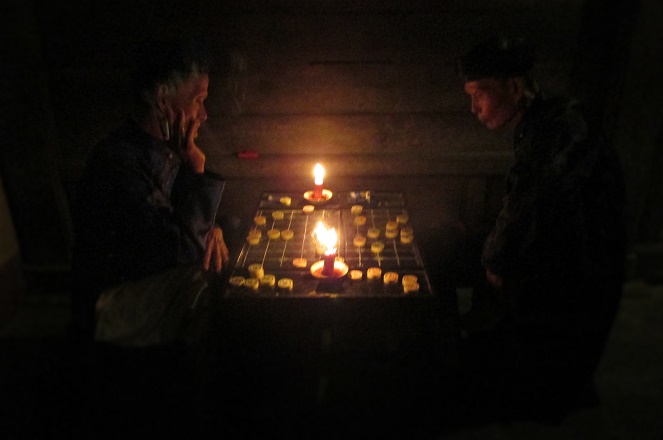
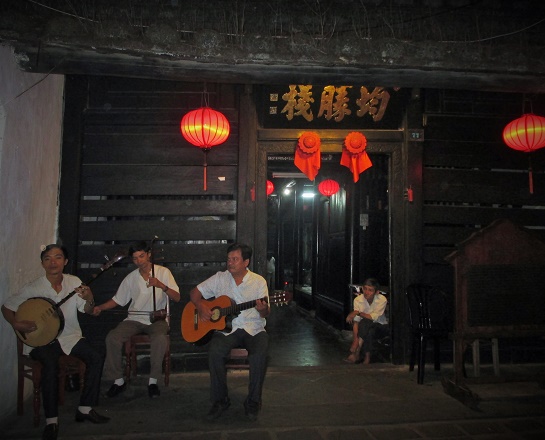
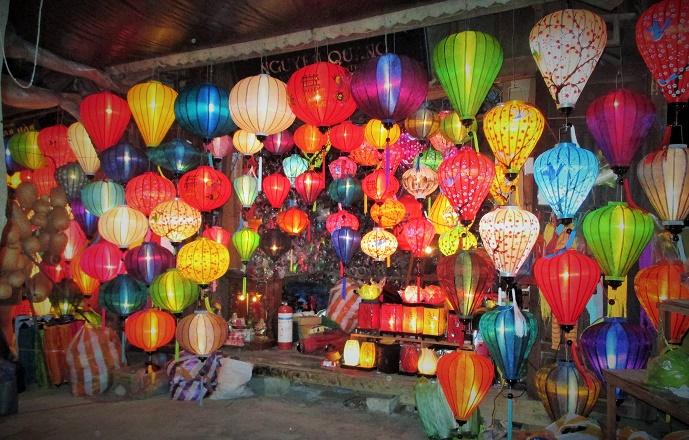
Hoi An ancient town shines on full-moon day


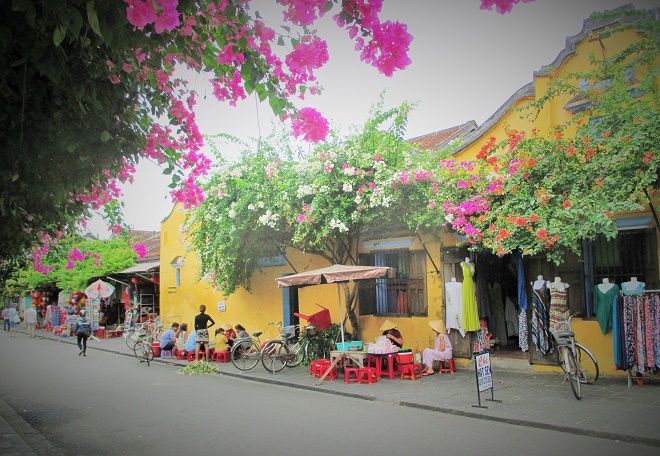
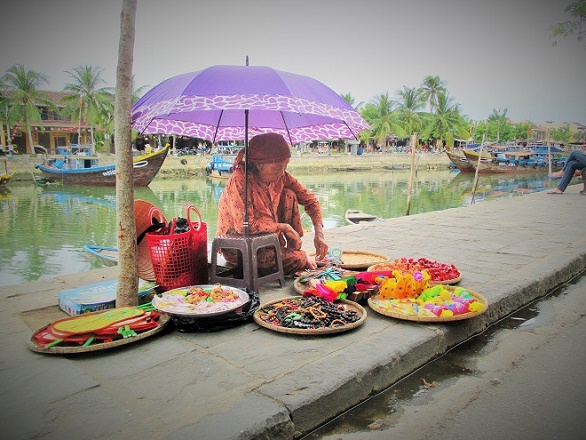
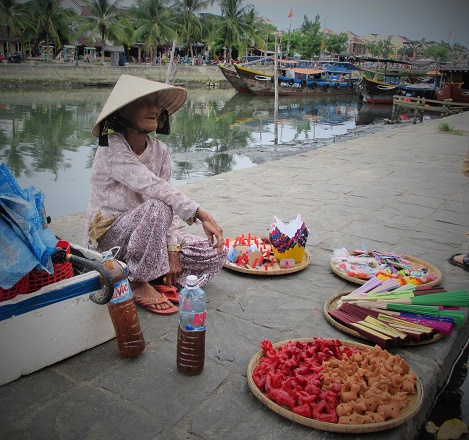
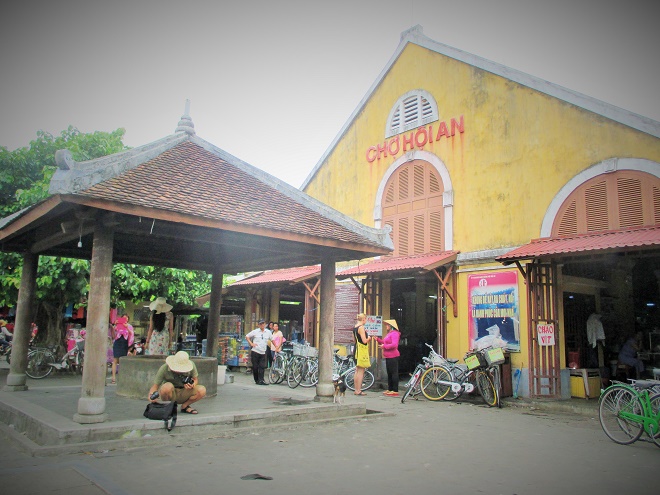
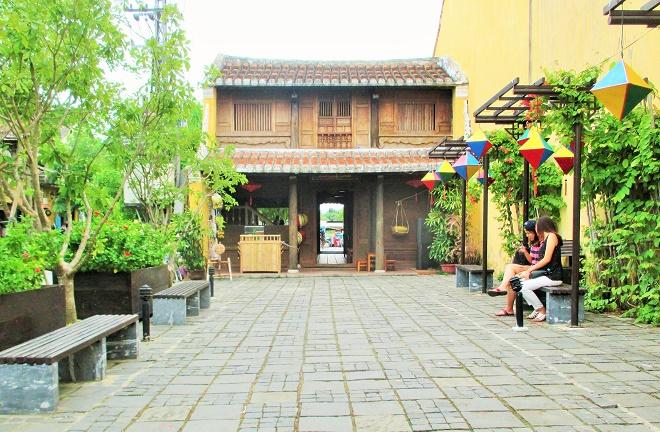
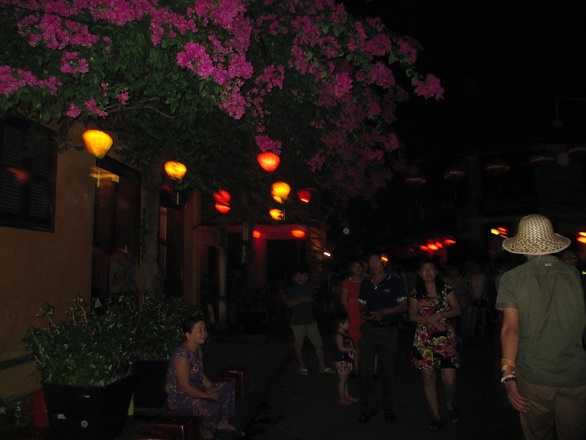
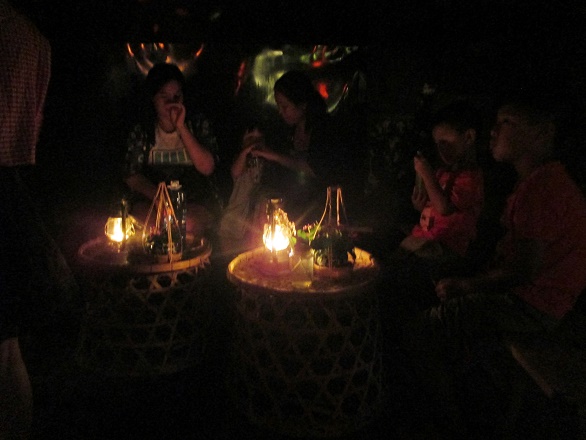
Visitors should spend at least one full-moon night a year in Hoi An ancient town and experience the simple life found there.

Hoi An ancient town shines on full-moon day
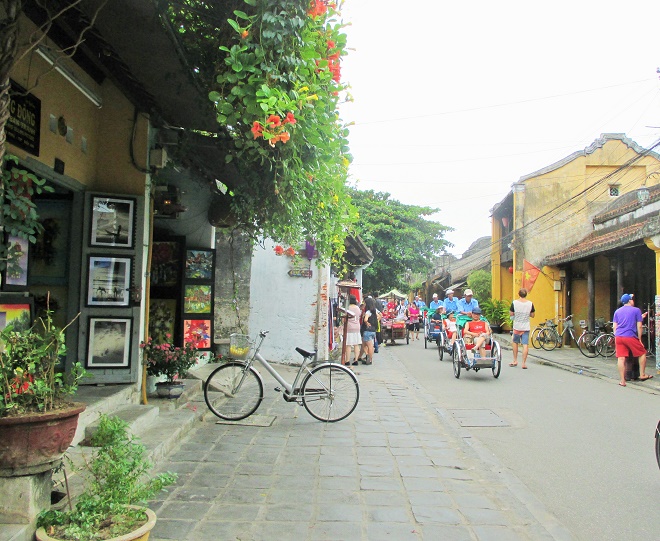
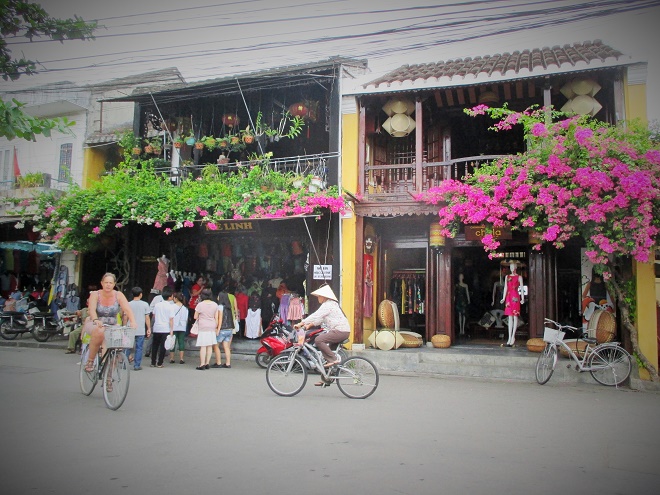
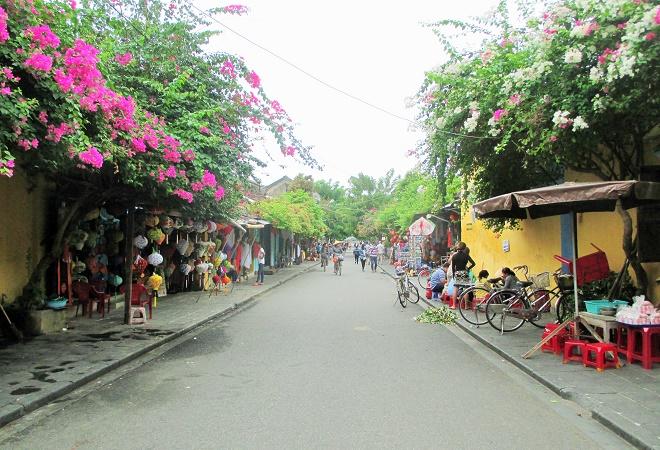
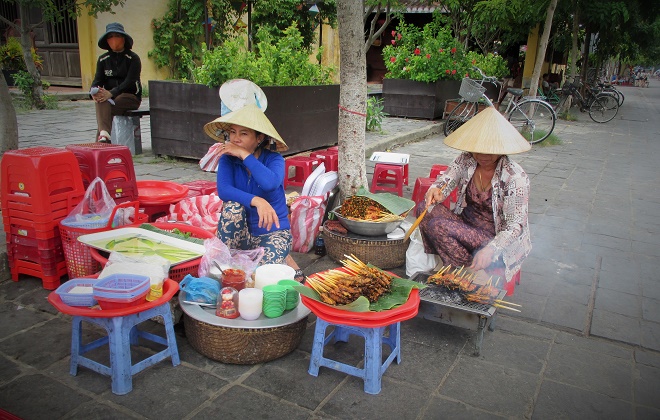
Walking along streets in Hoi An 
 Hoi An ancient town shines on full-moon day
 Hoi An ancient town shines on full-moon day
 Hoi An ancient town shines on full-moon day
 Hoi An ancient town shines on full-moon day
 Hoi An ancient town shines on full-moon day
 Hoi An ancient town shines on full-moon day
 Hoi An ancient town shines on full-moon day
 Hoi An ancient town shines on full-moon day
Hoi An ancient town shines on full-moon day 
 Hoi An ancient town shines on full-moon day
 Hoi An ancient town shines on full-moon day
 Hoi An ancient town shines on full-moon day
 Hoi An ancient town shines on full-moon day
 Hoi An ancient town shines on full-moon day
 Hoi An ancient town shines on full-moon day
Hoi An ancient town shines on full-moon day 
 Hoi An ancient town shines on full-moon day


The Mountain Valley

On a spontaneous day trip with her sister in tow, Karen Hewell arrives in Thung Nai Valley to find a stretching lake surrounded by mountains that the tourist trail seems to have forgotten

                                                                                    Written by  Karen Hewell
It’s just before 9am and my sister and I are packed two to a seat in a dilapidated Mercedes Sprinter with no air conditioning. We only just left My Dinh Stadium, where we arrived to hoards of people rushing towards buses and minivans bound for nearby cities. We had jumped on this particular bus to Hoa Binh just in the nick of time — as we were heaving our daypacks into the open door and climbing in, the vehicle was already at a slow roll. Now, we are crammed in a claustrophobic back seat, wondering if this will be worth it.

The day beforehand, a friend had told me about Thung Nai, a mountain valley in Cao Phong District just outside of Hoa Binh City. My sister — visiting from the US — had been in Vietnam for two weeks. By now, I feel like little more than a half-baked tour guide, having spent most of the previous bit dragging her along the beaten track alongside masses of backpackers and finicky tourists. When my friend off-handedly mentioned that Thung Nai was blissfully void of international tourists, I saw my opportunity.

I gaze across the seat towards my sister, who’s hugging her backpack to her chest looking battle weary but hopeful. I feel a pang of guilt, since I haven’t yet told her that after we arrive in Hoa Binh, I’m not actually sure what to do next.


The van drops us at a derelict bus station flanked with unmarked, tarp-covered food stalls and little else. I realise quickly that the only information I have to go on was that Thung Nai was supposedly just outside of Hoa Binh, and that we could get there by taxi or motorbike.

“Where to now?” My sister has her pack slung over her shoulder and is staring at me. I try to look assured, staring around and saying something about catching a taxi. I have no idea how far we still have left to go — the Google Maps image shows Thung Nai as a blue blip along the Da River, but I don’t see any water within walking distance. Finally, I wave over a taxi from a company I’ve never heard of and say simply, “Thung Nai?”

Mountain Roads on Top of the World

The taxi rounds a corner and sets off down a highway that looks like it heads straight into a nearby mountain. Before we jumped in, the taxi driver had said 20 kilometres and another VND200,000 to get to Thung Nai.

Soon we’re hurtling along an undulating road as it winds through a canopy of green foliage, too dense on either side to see anything beyond a few feet into the surrounding forest.


The taxi driver swerves down a looping decline before throwing the car into a lower gear and rounding a tight corner. Just past the curve, the foliage on the right hand side of the road dives abruptly into the valley below in sweeping emerald cascades. As the car trudges up a steep incline, the entire valley opens up into a panorama of white clouds over endless blue water. My sister’s face is pressed up against the window in awe.

“This was so worth it,” she says.

 I breathe a sigh of relief.

Traversing the Valley

By 11am we are sitting on the deck of a rusty mint-green pontoon boat, a makeshift tour vessel that sputters along the lake between massive, lush mountains rising up from the water’s quiet surface. We set off from a small, earthen dock at Ngoi Hoa Village, a tiny township perched along the water’s edge and home to the Muong ethnic minority. Their thatched roof houses line the road as it descends towards the valley, and their dock is the gateway to the water. They own the boat we are sitting on now, firing up the vessel’s aching engines when intermittent groups of tourists arrive.

Locals say that Thung Nai Valley was once home to herds of deer that roamed its formerly dry landscape. Thus the name — Vietnamese for ’Valley of the Deer’. Now the days of its wildlife are past, replaced by the roaming boats that connect the floating villages and tiny islands to the mainland.


Most visitors that come to Thung Nai jump on a boat to get to the valley’s few destinations. Along the edges of one island — and reached only by climbing a steep walkway that ascends the island’s edge at a 45-degree angle — is the windmill, a popular spot for visitors to stay overnight and take boat journeys to the floating villages 20 minutes away. Further into the valley are hidden natural wonders that most assume are reserved for Tam Coc or Halong Bay. Thac Bo grotto has the same stalactite and stalagmite formations as Halong Bay’s Surprise Cave, but on a smaller scale.

We are content to stay on the deck of the pontoon boat the entire day. Sailing through Thung Nai is a visual feast without ever having to set foot on land, and stopping off at any of the sights is just an added bonus. There’s something particularly peaceful about sailing at a crawl with nowhere to go.

The journey to Thung Nai is fairly rough, but the scenery here makes even the trip back to Hanoi seem worthwhile. A day of aimless sailing is certainly enough for both of us.


Getting There

Thung Nai Valley is 20km southwest of Hoa Binh City in Cao Phong District. To get there head to Hoa Binh and take the Highway 6 bypass out of the city towards Cao Phong and Tan Lac. After 7km, turn right onto Tay Tien (Highway 435) and head towards Binh Thanh. At Binh Thanh turn left towards Cang Thung Nai, which is the main port area in Thung Nai Valley. Hoa Binh City is about 90km from central Hanoi.

Buses for Hoa Binh leave from My Dinh Bus Station in Hanoi.

TRAFFIC